Services
E-Waste Management
Authorised disposal of electronic waste, for the organisations that use it and the producers responsible for it.
The service
A formal route from the end user to a recycler.
Phones, computers and appliances have a short life. When they are finished they are often dumped with other waste or sold into informal processing, where crude extraction releases toxins.
Under the E-Waste Management Rules, 2016, Vestige Worldwide is authorised as a Producer Responsibility Organisation. We run a reverse-logistics chain from the end consumer to formal recyclers in Bangalore and Chennai.
What we handle
The equipment that counts as e-waste
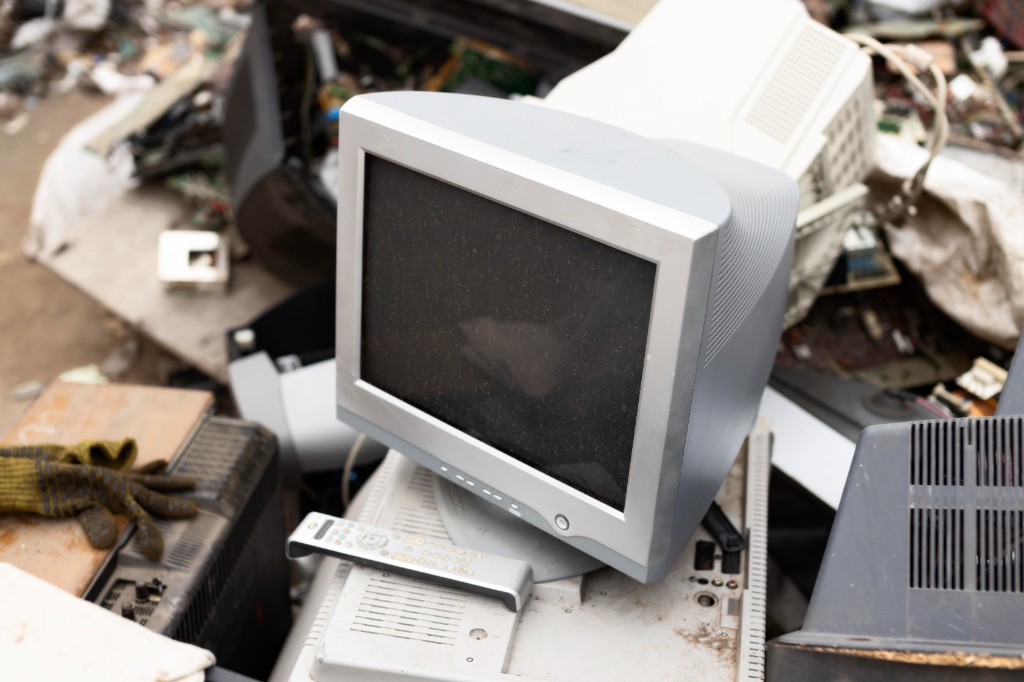
IT equipment
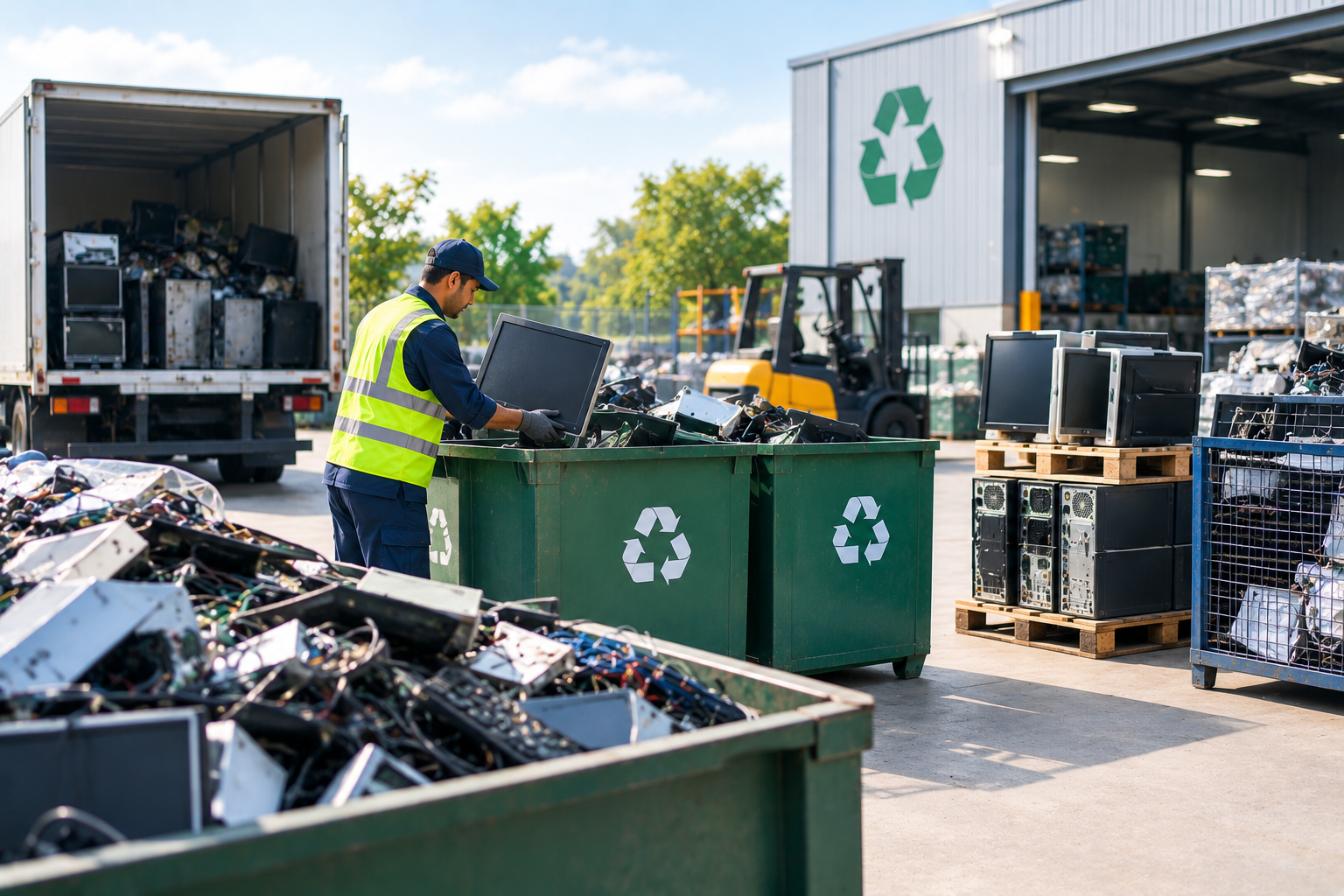
Computers, monitors, keyboards, printers, scanners, phones and the cables that connect them.
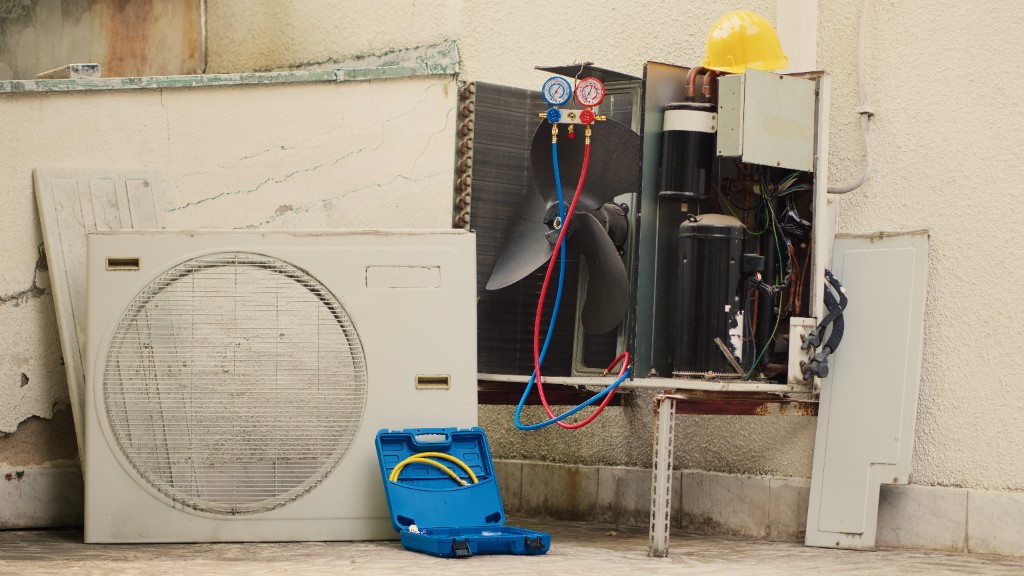
Appliances
Refrigerators, washing machines, televisions, air conditioners and tube lights.
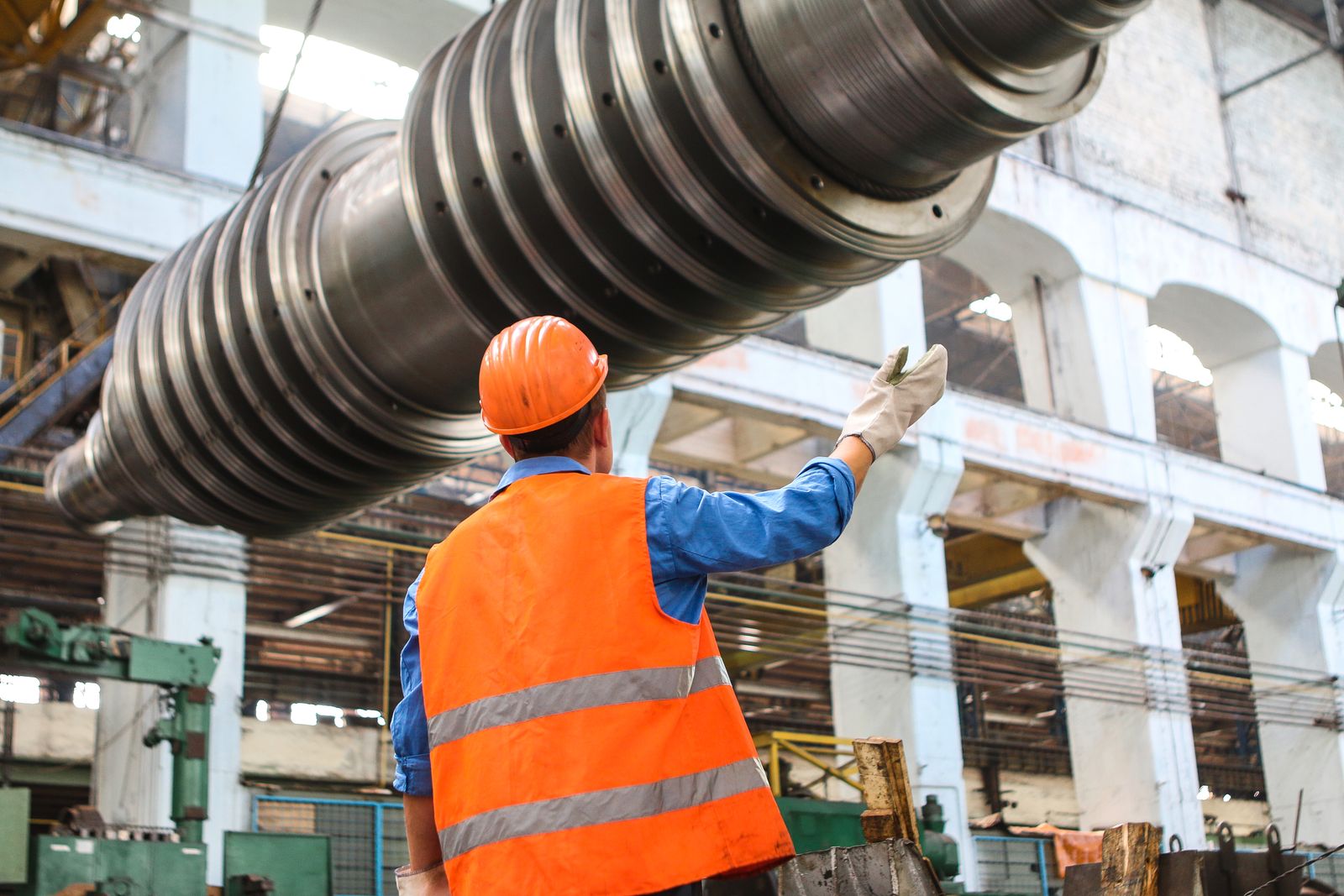
What is recovered
Plastic becomes insulators and trays. Metal is melted for new products. Mercury goes to specialist facilities.
How it works
Collected, recovered, and only then disposed of
The aim is scientific disposal: recover what can return to manufacturing, and send the rest to authorised treatment.
Step 01
Collect
Equipment is taken back through a reverse-logistics chain, not the informal trade.
Step 02
Segregate
IT equipment and appliances are separated so each material can be handled correctly.
Step 03
Recover
Plastic and metal are recycled. Mercury is sent to facilities equipped to recover it.
Step 04
Dispose of the rest
What cannot be recovered goes to authorised treatment, storage and disposal facilities.
Common questions
FAQ
Answers to the questions businesses and households ask most often about electronic waste.
What is e-waste?
Discarded electronics from mobile phones, laptops, televisions, DVDs, radios, hard disks, batteries, circuit boards and other equipment. Dumped in landfills, it is a health and environmental hazard.
How can we control e-waste?
Sell or donate equipment that still works. Maintain computers and phones so they last longer. Before discarding anything, check whether it can be reused.
Why is e-waste management important?
Batteries, plastics and other materials can seep into soil and water when disposal is improper. That pollutes air, water and soil and threatens people and animals.
Why is e-waste harmful?
It releases lead, mercury, cadmium, barium, lithium and similar substances. Exposure is linked to brain, heart, liver and kidney disease, and can affect the nervous and reproductive systems.
What is the lasting solution?
Recycling. Vestige Worldwide provides scientific disposal, recovers recyclable items and returns materials such as metal to manufacturing.
Does e-waste recycling help the environment?
It cuts pollution, keeps toxins out of air, water and soil, and reduces pressure on landfills. Recycled inputs also use less energy and fewer resources to manufacture.
Which items count as e-waste?
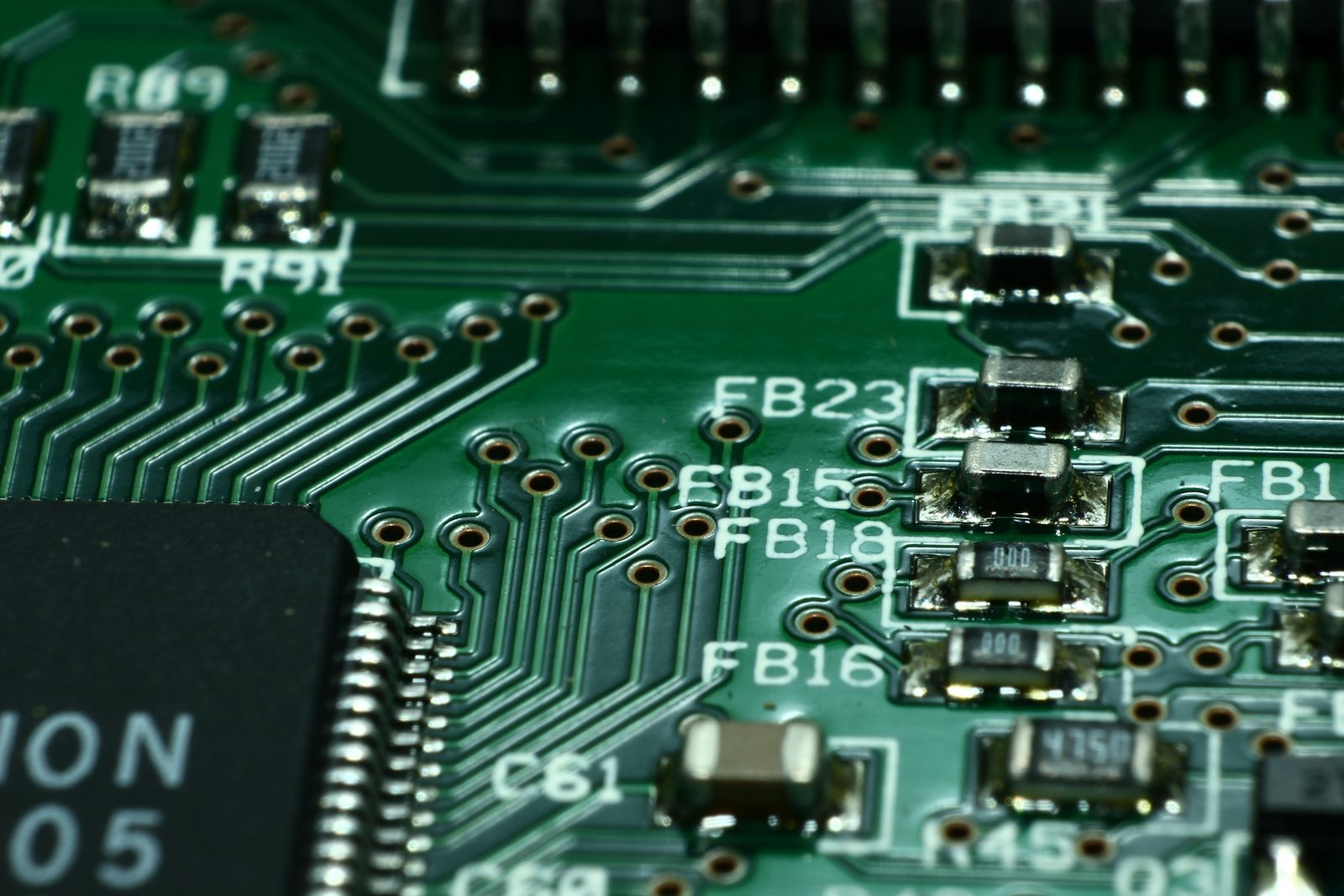
Personal computers, laptops, keyboards, monitors, mice, circuit boards, cables, hard disks, printers, scanners and phones, plus refrigerators, televisions, air conditioners, washing machines, batteries and tube lights.
How do I dispose of e-waste properly?
Use a certified company. Vestige Worldwide uses sustainable, scientific procedures for safe disposal and recycling.
How much e-waste does India generate?
The Global E-Waste Monitor 2017 reported about 2 million tonnes a year. We run a reverse-logistics chain from consumers to formal recyclers.