Sustainability
Turning Waste Into Resources
Sustainability, for us, means keeping materials in circulation. Less is taken from the natural world, less is lost to landfill, and what remains is handled with care for soil, water, and air.
Sustainability
Our sustainability philosophy
We approach sustainability practically — by building systems that make responsible waste management the default, not the exception.
01
Minimizing Landfill Diversion
We prioritize material recovery over disposal, redirecting waste toward productive reuse wherever possible.
02
Supporting Circular Practices
Our recycler partnerships help close material loops and reduce demand for virgin resources.
03
Enabling Compliance
Proper documentation and EPR support help businesses meet their regulatory obligations responsibly.
Daily habits
The planet, wiser
Think before you trash it.
01
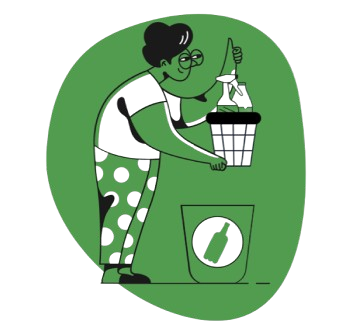
Reduce
Use as little plastic as you can.
02
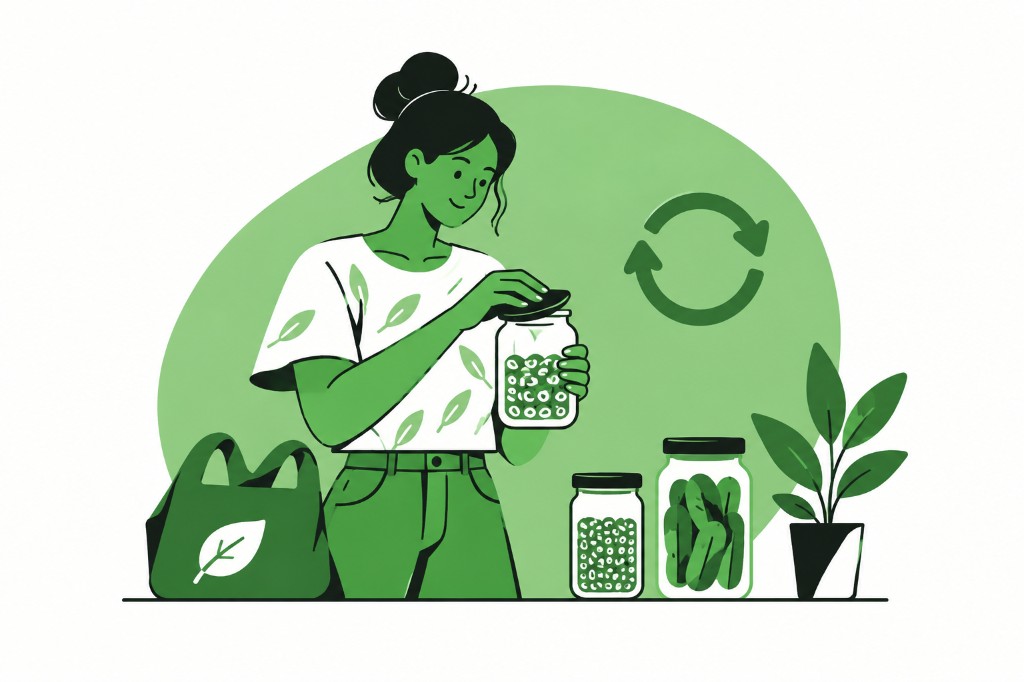
Reuse
Use a product another way when you can.
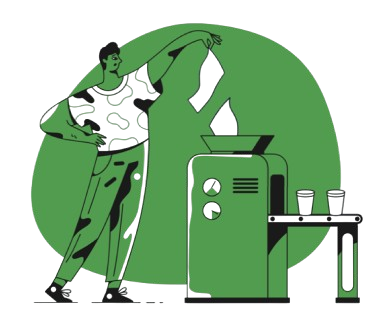
03
Recycle
Recycling keeps materials in use and protects the environment.
Trust & compliance
Operations you can rely on
Every service we provide is backed by structured documentation, verified partnerships, and transparent reporting — so you always have a clear picture of how your waste is being managed.
- Structured documentation for all waste movements
- Partnerships with authorized recyclers and processors
- Support for EPR and extended producer responsibility requirements
- Transparent reporting across your waste streams
- Consistent, verified operations across service areas
Our commitment
We believe responsible waste management is not just an environmental obligation — it is good business practice.
Vestige Worldwide
Why it matters
A smaller footprint starts with the material you already have.
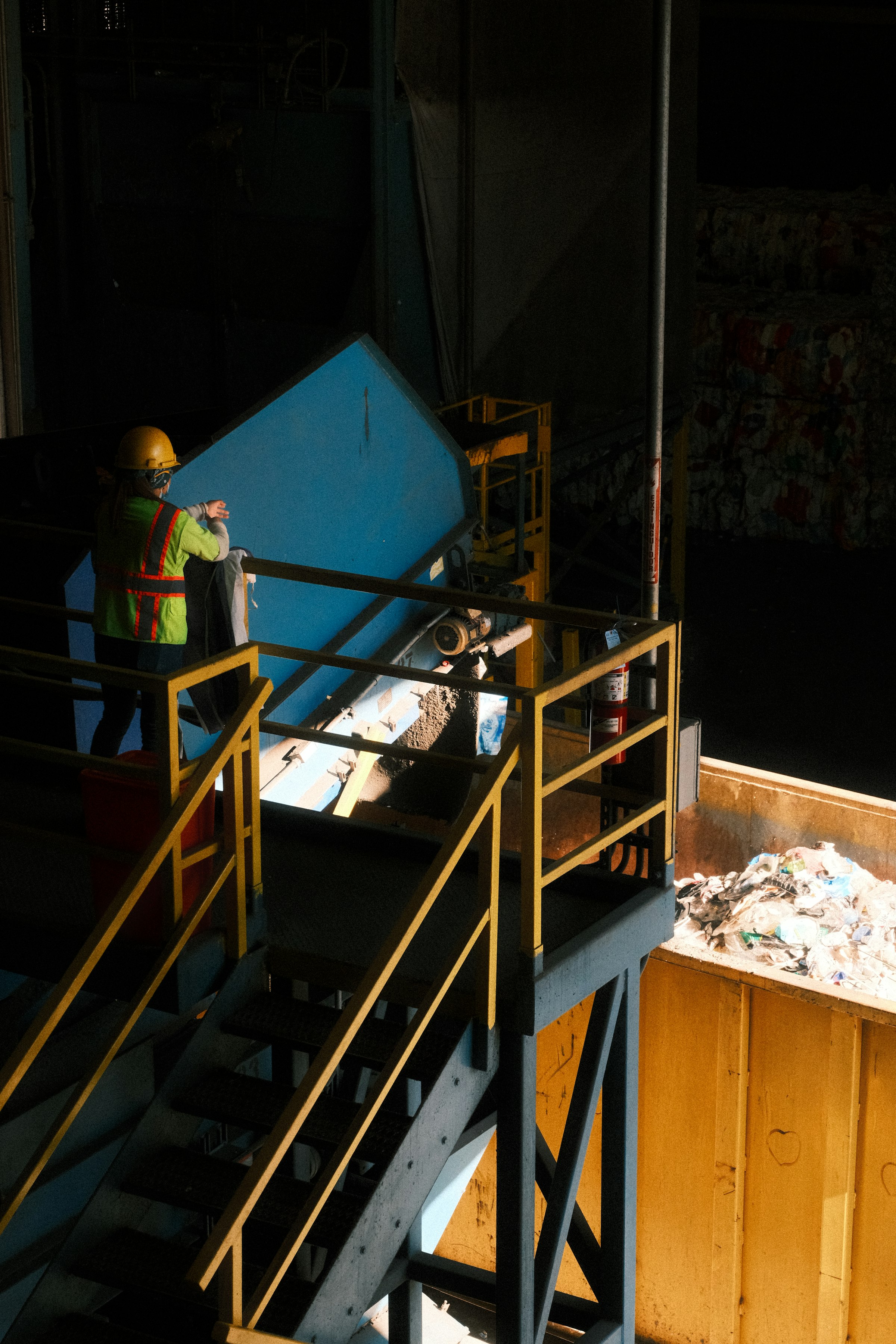
Every tonne recovered is a tonne that does not have to be dug, grown, or manufactured again. Plastic, metal, paper, and electronic waste can return as resources when they are collected cleanly and kept in a managed stream.
Sustainability is not a separate programme beside waste management. It is the reason the work is organised the way it is: recover first, recycle with care, and dispose only when a material has no further safe use.
What we stand for
Environmental care, built into the service.
These are the commitments behind the work. They decide what is recovered, how it is recycled, and what happens to the remainder.
01
Resource recovery
Useful material is returned to use, which eases the demand for newly extracted raw materials.
02
Responsible recycling
Streams are kept separate so recycling produces a real second life, not a contaminated load.
03
Circular use
Materials stay in circulation for as long as they can, from the first collection to the next product.
04
Careful disposal
What cannot be recovered is the last resort, handled to protect soil, water, and air.
Our approach
From waste on site to a resource kept in use.
The path is simple to follow and strict about the environment. Recovery comes first. Disposal is reserved for material that has no further safe use.
- 01
Collect
Material is gathered before it becomes litter, pollution, or landfill.
- 02
Separate
Clean streams mean more plastic, metal, and other materials can actually be recycled.
- 03
Prepare
Recovered material is processed so it is ready for another useful life.
- 04
Recycle
Material goes back into use, which reduces the need for virgin resources.
- 05
Recover
Remaining value is captured so less of the original resource is wasted.
- 06
Dispose responsibly
Only what cannot be recovered is disposed of, and then with protection for the surroundings.
The outcome
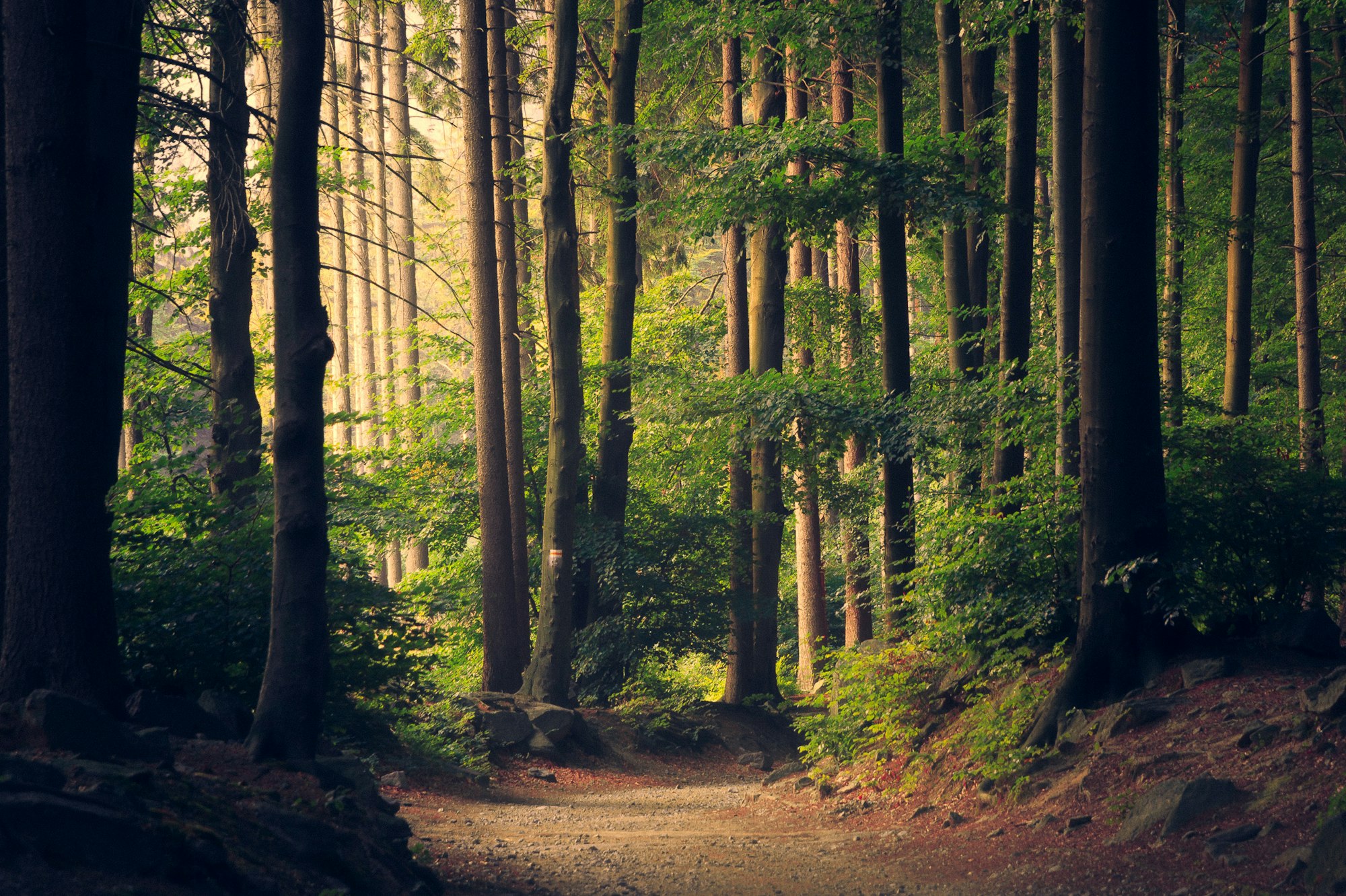
Making better use of materials protects what is still standing.
Forests, minerals, and water are finite. Keeping discarded material in circulation is a practical way to need less of them, and to leave less waste behind.
- Replace new resourcesRecovered plastic, metal, and fibre can stand in for materials that would otherwise be extracted or manufactured from scratch.
- Send less to landfillBetter separation and recovery shrink the share of material that has nowhere to go but disposal.
- Protect land and waterWhat cannot return to use is managed so it does not leach into soil or waterways.
Solutions
Joined-up solutions that are sustainable for everyone.
The business model is a seamless solution. It has a role in meeting recycling and waste management goals together, now and in the future.
The range covers recycling and waste management for tech parks, residential complexes, institutions, and industry. The work is efficient, cost-effective, and innovative, and it is managed from one place.
One supplier
Every part of the recycling and waste strategy is managed centrally, so collection, recovery, and reporting stay with one partner.
Closed loop
Cardboard, plastic, metal, and other streams are kept in the supply cycle instead of being sent to landfill or incineration.
Measured impact
More than 60 tons of waste are diverted from landfill each day. Innovation keeps 100 tons of recyclables in use every year.
Authorised handling
The Karnataka State Pollution Control Board authorises collection and recycling of hazardous and non-hazardous waste, with traceability for every kilogram.
Next step
Move towards a more sustainable use of resources
Tell us what leaves your site. We will look at what can be recovered, what can be recycled, and how the rest should be managed so less is lost and less is taken from the natural world.
Request a Quote